College life can be exciting, but managing finances can be a challenge for many students.
Between tuition, housing, textbooks, and daily living expenses, costs can quickly add up.
However, with smart budgeting and strategic choices, students can significantly cut costs and save money without sacrificing their college experience.
From taking advantage of student discounts and affordable housing options to reducing unnecessary expenses and finding creative ways to earn extra cash, there are plenty of ways to make college life more financially manageable.
By developing good money habits early, students can set themselves up for financial success during and after college.
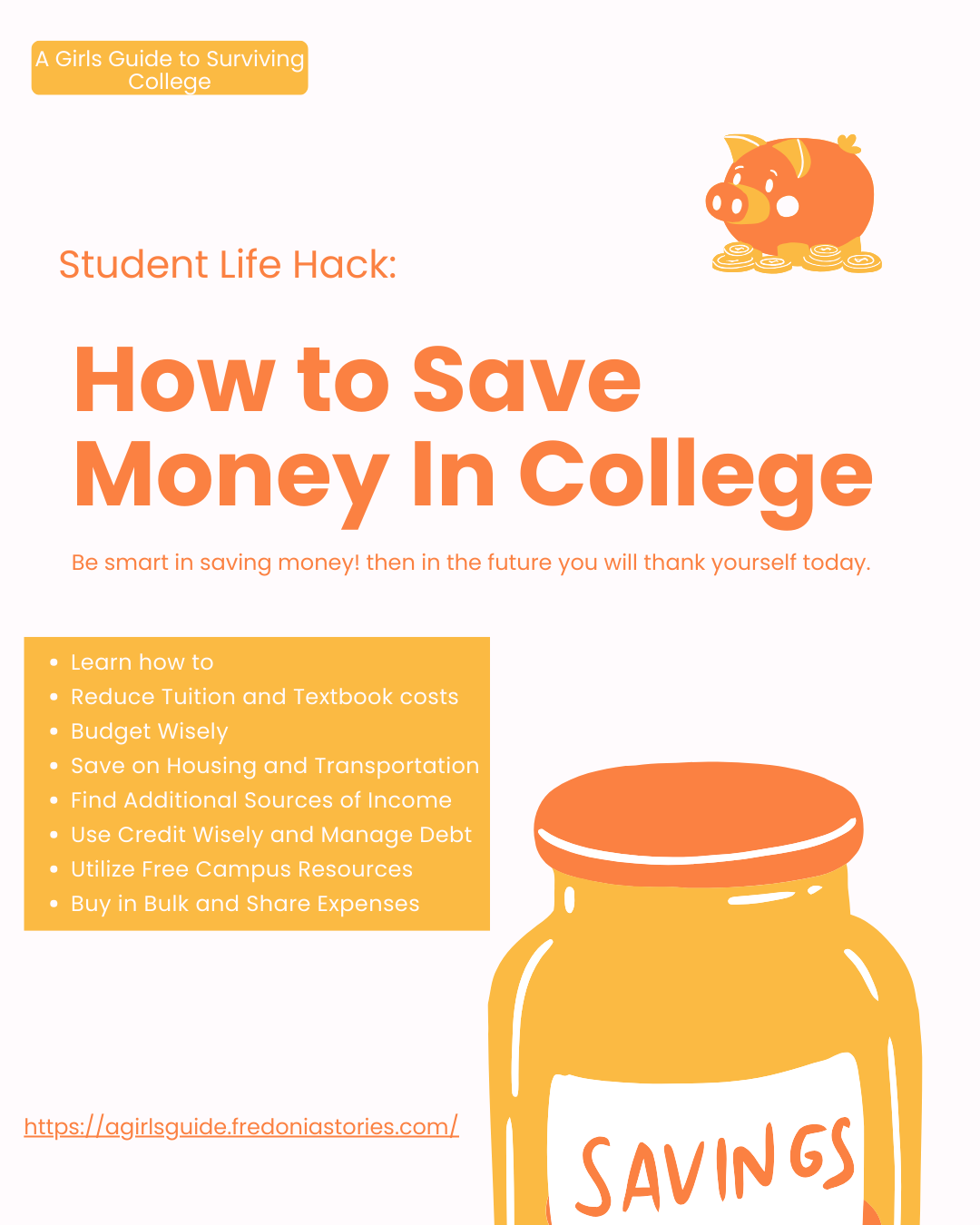
Reduce Tuition and Textbook Costs
One of the biggest expenses in college is tuition, but there are ways to minimize this cost.
Applying for scholarships and grants can provide significant financial relief, and many schools offer merit-based or need-based assistance.
Additionally, students can consider attending a community college for the first two years before transforming into a four-year university to save on tuition.
When it comes to textbooks, purchasing used or digital versions, renting from websites like Chegg or Amazon, or borrowing from the library can save hundreds of dollars each semester.
Some websites allow students to download PDF versions of textbooks for free, further reducing costs.
Budget Wisely
Creating and following a budget is crucial for financial success in college.
Students should track their income and expenses using apps like Mint or a simple spreadsheet.
Avoiding impulse purchases, setting limits on entertainment and dining out, and prioritizing necessary expenses can help stretch a limited budget.
Cooking meals at home rather than eating out frequently can also lead to significant savings over time.
Additionally, sticking to a meal plan that was purchased through your school will also save you money by reducing the need to eat at a restaurant.
Save on Housing and Transportation
Housing and transportation are major costs for college students, but there are ways to reduce these expenses.
Living with roommates can lower rent, utilities, and in some cases, on-campus housing may be more affordable than off-campus housing.
For transportation, utilizing public transit, biking, or carpooling can help save money on gas and parking.
Some colleges offer discounted or free bus passes, which can further reduce transportation costs.
Walking to class is not only free, but it is a great way to get your steps in for the day.
Personally, I really enjoy walking to class when the weather is warm. I get to look at the nature of my campus.
Find Additional Sources of Income
Earning extra money while in college can make a big difference in financial stability. Students can look for part-time jobs on campus, such as working at the library, dining hall, or student center.
Freelancing, tutoring, or participating in gig work through platforms like Fiverr or Upwork can provide additional income.
If you have transportation, working at a fast food restaurant, grocery store, bartending, etc. can help you earn a steady income.
Selling your unused items such as textbooks, clothing and/or furniture can also generate extra cash.
Use Credit Wisely and Manage Debt
Credit cards can be useful for building credit but should be used responsibly.
Students should avoid carrying high balances and aim to pay off their credit card bills in full each month to prevent interest charges.
Filling out the FAFSA annually ensures eligibility for financial aid, which can reduce student loan burdens.
If possible, making small payments toward student loan interest while still in school can lessen debt in the long run.
Utilize Free Campus Resources
Many colleges offer free resources that can help students save money.
Free tutoring centers, fitness centers, and mental health counseling services can replace costly private options.
Additionally, students can take advantage of free printing, computer labs, and career counseling services to reduce out-of-pocket expenses.
I know SUNY Fredonia offers “Freddy’s Locker” which gives students access to free non-perishable food such as ramen, cans, granola bars, and more.
Some schools may also have a free doctors office depending on your insurance.
Buy in Bulk and Share Expenses
Buying essential items like toiletries, snacks, and household supplies in bulk can lead to significant savings.
Stores like BJ’s Wholesale club, Costco and Sam’s club are great places to buy in bulk.
The only issue is that these stores require a membership. But, they frequently have coupons and if a family member has a membership you may be able to use it, or they can add you on their account for a cheaper price.
Sharing expenses with roommates, such as splitting groceries, streaming service subscriptions, or transportation costs can also help stretch a student’s budget further.
Conclusion
Saving money in college requires planning, discipline, and creativity, but it is entirely possible with the right approach.
By applying for scholarships, budgeting effectively, reducing housing and transportation costs, seeking additional income, cutting unnecessary expenses, and using credit wisely, students can manage their finances more effectively.
Developing good financial habits during college can lead to a more secure financial future and reduce the stress of student debt after graduation.
With smart money management, students can enjoy their college experience without financial strain.